PN16 Welded Flange Price and Water Treatment Applications
PN16 welded flanges are widely used in water treatment plants and industrial pipelines. Understanding pricing, customization options, and technical specifications ensures optimal procurement decisions.
PN16 Flange Overview
PN16 indicates a pressure rating of 16 bar (232 psi) at 120 degrees Celsius, commonly used in European and Asian markets.
Standards Compliance
- EN 1092-1: European standard
- GB/T 9115: Chinese national standard
- Compatible with ASME B16.5 Class 150
Common Materials
- Carbon Steel: P235GH, P245GH, Q235, 20 number steel
- Stainless Steel: 304, 304L, 316, 316L
- Duplex Steel: 2205, 2507
PN16 Welded Flange Price Guide
Carbon Steel Prices (2024 Reference)
| Size DN | Price USD | Weight kg |
|---|---|---|
| DN50 | 2.50-4.00 | 1.2 |
| DN80 | 4.50-6.50 | 2.1 |
| DN100 | 6.00-9.00 | 3.2 |
| DN150 | 12.00-16.00 | 5.8 |
| DN200 | 20.00-28.00 | 9.5 |
| DN300 | 45.00-60.00 | 18.5 |
Price Factors
- Raw material costs (steel prices fluctuate)
- Manufacturing process (forged vs cut plate)
- Surface treatment (black, galvanized, epoxy)
- Order quantity (bulk discounts available)
- Customization requirements
Custom Size Flange for Industrial Pipeline
Non-standard flanges manufactured per client specifications:
Customization Options
- Oversized diameters: DN700 to DN4000
- Special pressure ratings: PN6 to PN100
- Non-standard bolt patterns
- Unique materials and alloys
- Special heat treatment requirements
Manufacturing Process
- Client drawing review
- Material selection and procurement
- Cutting and forming
- Welding and assembly
- Heat treatment
- Machining to final dimensions
- Quality inspection
- Surface treatment
Flange Fitting for Water Treatment Plant
Water treatment facilities have specific requirements for flanges:
Auswahl des Materials
- Raw water intake: Carbon steel with coating
- Treated water: Epoxy coated or stainless
- Chemical dosing: Stainless steel 316L
- Sludge lines: Abrasion resistant materials
Common Sizes in Water Plants
- Inlet/Outlet mains: DN200 to DN600
- Process piping: DN80 to DN300
- Chemical lines: DN25 to DN100
- Drain lines: DN50 to DN150
Coating Requirements
- Epoxy coating: 250-300 microns
- Hot dip galvanized: 80-100 microns
- Food grade epoxy for potable water
Raised Face Flange Stockist
Raised face (RF) configuration most common for PN16 flanges:
RF Dimensions
- Raise height: 2mm for PN16
- Gezackte Oberfläche: 3,2-6,3 Mikron Ra
- Compatible with non-asbestos gaskets
Stock Availability
- DN15 to DN600: Generally in stock
- DN700 and above: Made to order
- Stainless steel: Common sizes available
Qualitätssicherung
Testing Procedures
- Analyse der chemischen Zusammensetzung
- Mechanical property testing
- Prüfung der Dimensionen
- Visual examination
- Coating thickness measurement
- Hydrostatic testing (optional)
Zertifizierungen
- ISO 9001:2015
- PED 2014/68/EU
- CE Marking
- WRAS for potable water (UK)
- KTW for drinking water (Germany)
Delivery Terms
- EXW: Ex works factory
- FOB: Free on board Chinese ports
- CIF: Cost, insurance, freight to destination
- DDP: Delivered duty paid (available for some countries)
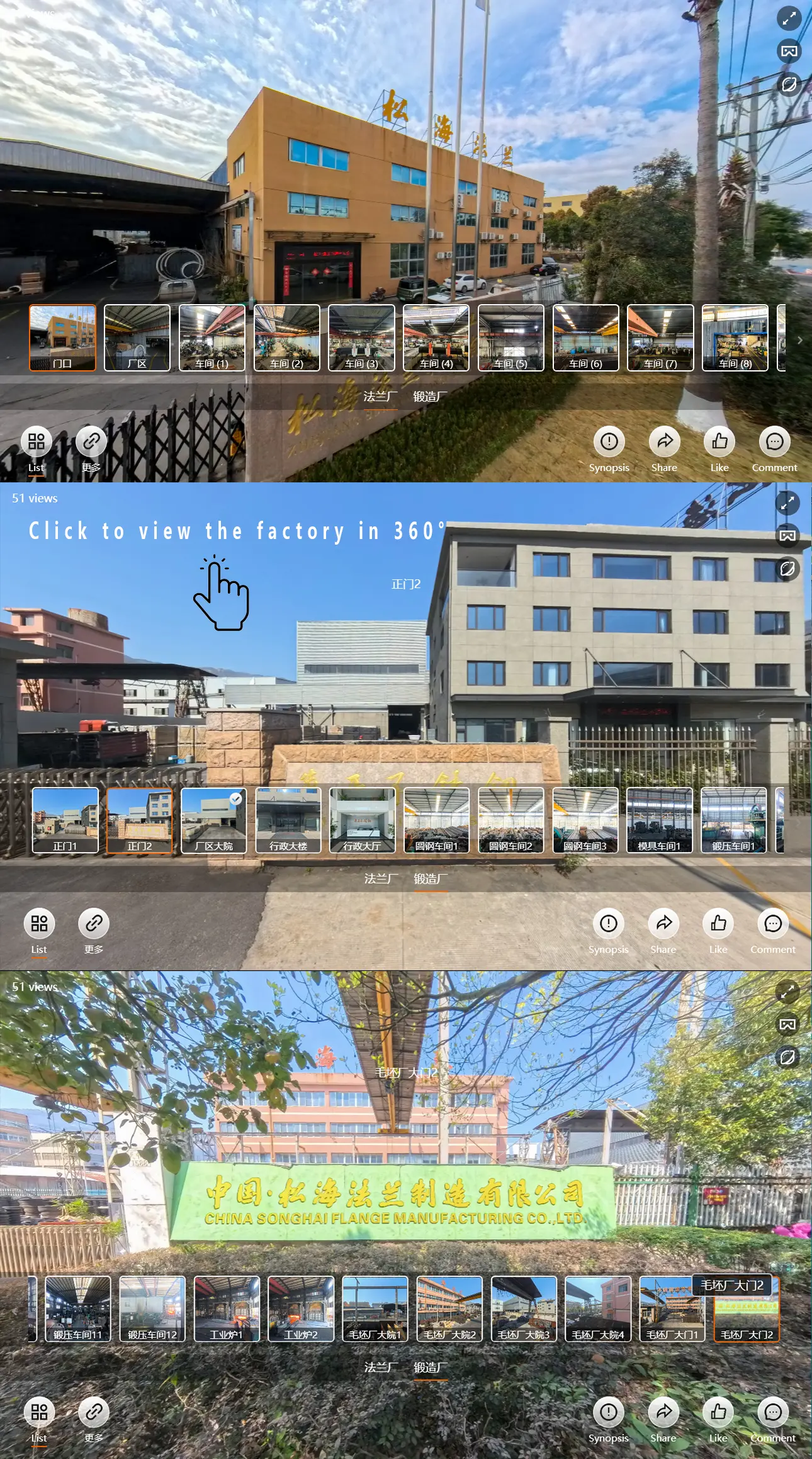
Songhai Flange supplies PN16 welded flanges at competitive prices for water treatment plants and industrial pipelines. Custom sizes available with fast delivery and complete certification.
WhatsApp: +86-18658777855
E-Mail: 1007788887@qq.com
Das könnte Sie auch interessieren
DIN Flanges vs ANSI Flange: ANSI Class 150, PN Rating and Selection Guide
A practical guide comparing DIN flanges and ANSI flange standards, including ANSI Class 150, PN meaning, flange rating ANSI systems, bolt patterns, dimensions and selection tips.
Flange Coupling Guide: Coupling Flange Type, Flanged Coupler and Shaft Applications
A practical guide to flange coupling, coupling flange type selection, flanged coupler structure, flange shaft coupling applications, installation and maintenance.
What Is an Orifice Flange? Orifice in Piping, Orifice Pipe and Flow Measurement Guide
A practical guide explaining what an orifice flange is, how an orifice in piping works, orifice pipe flow measurement, pressure taps, orifice plates and selection tips.