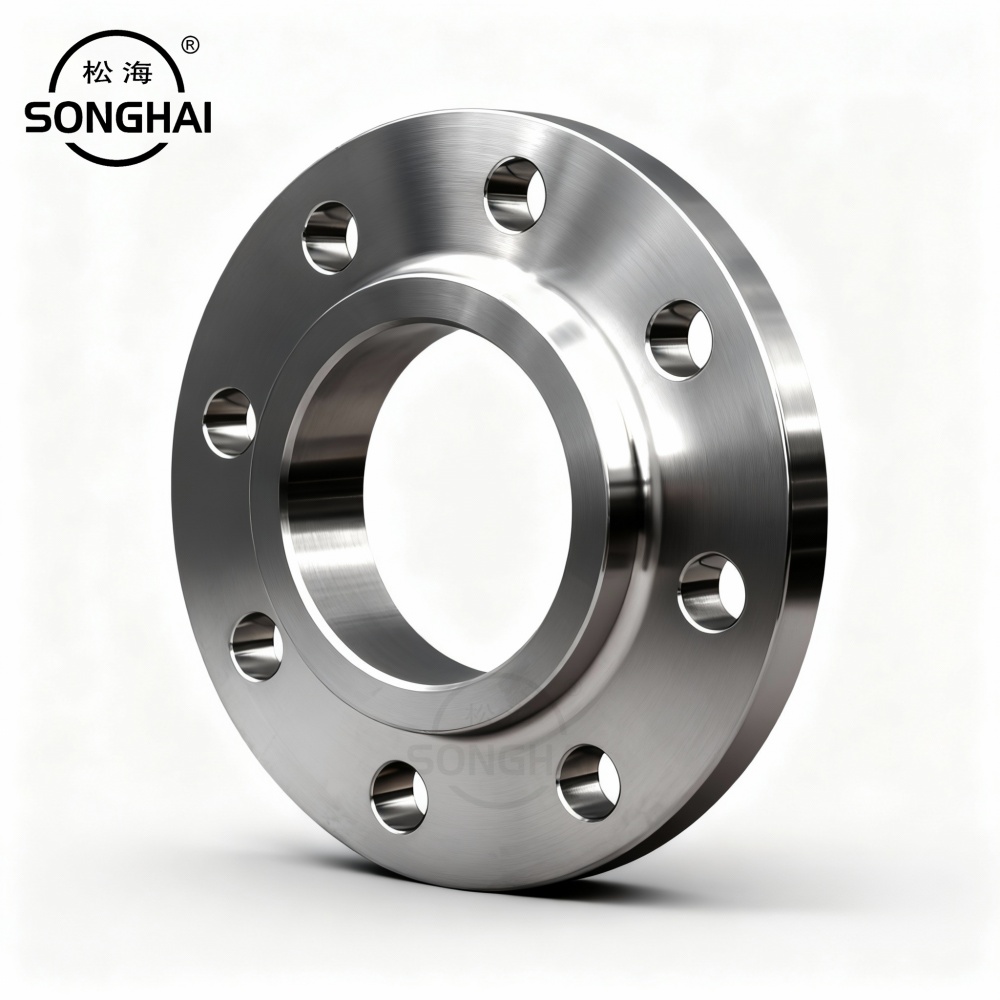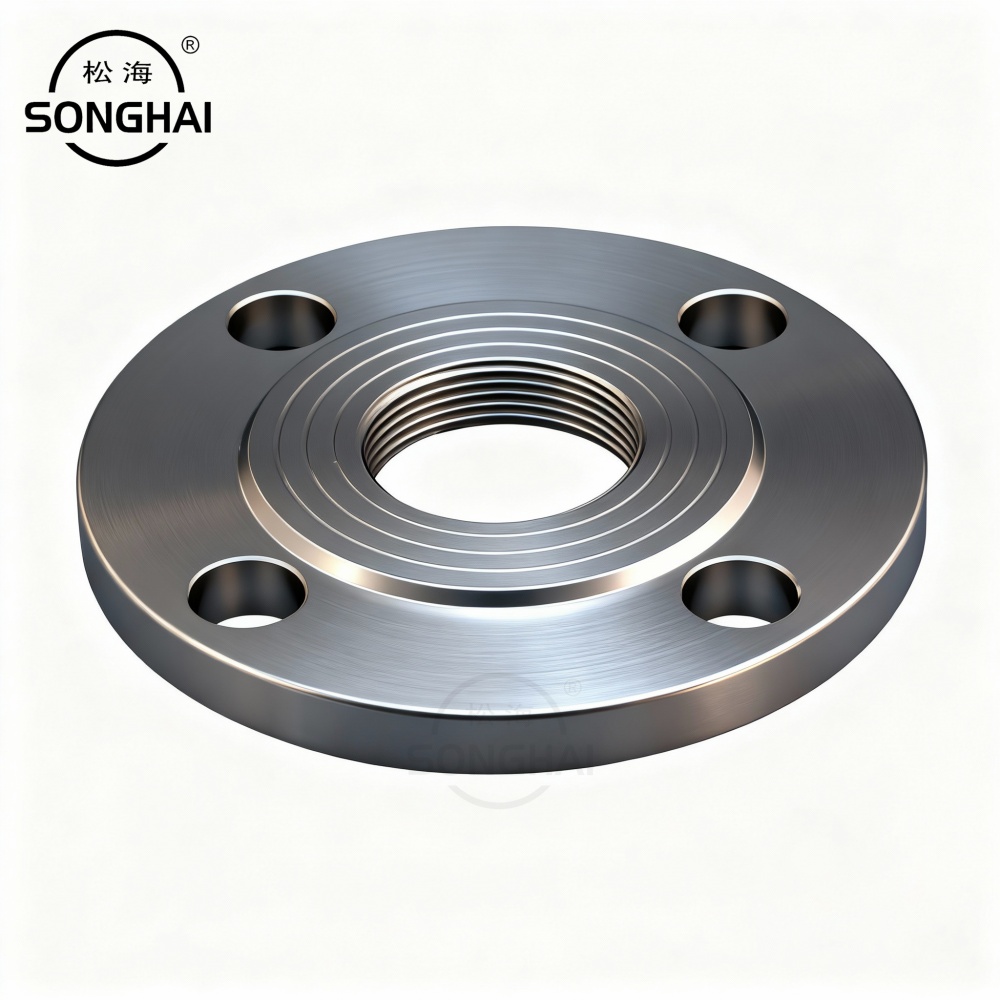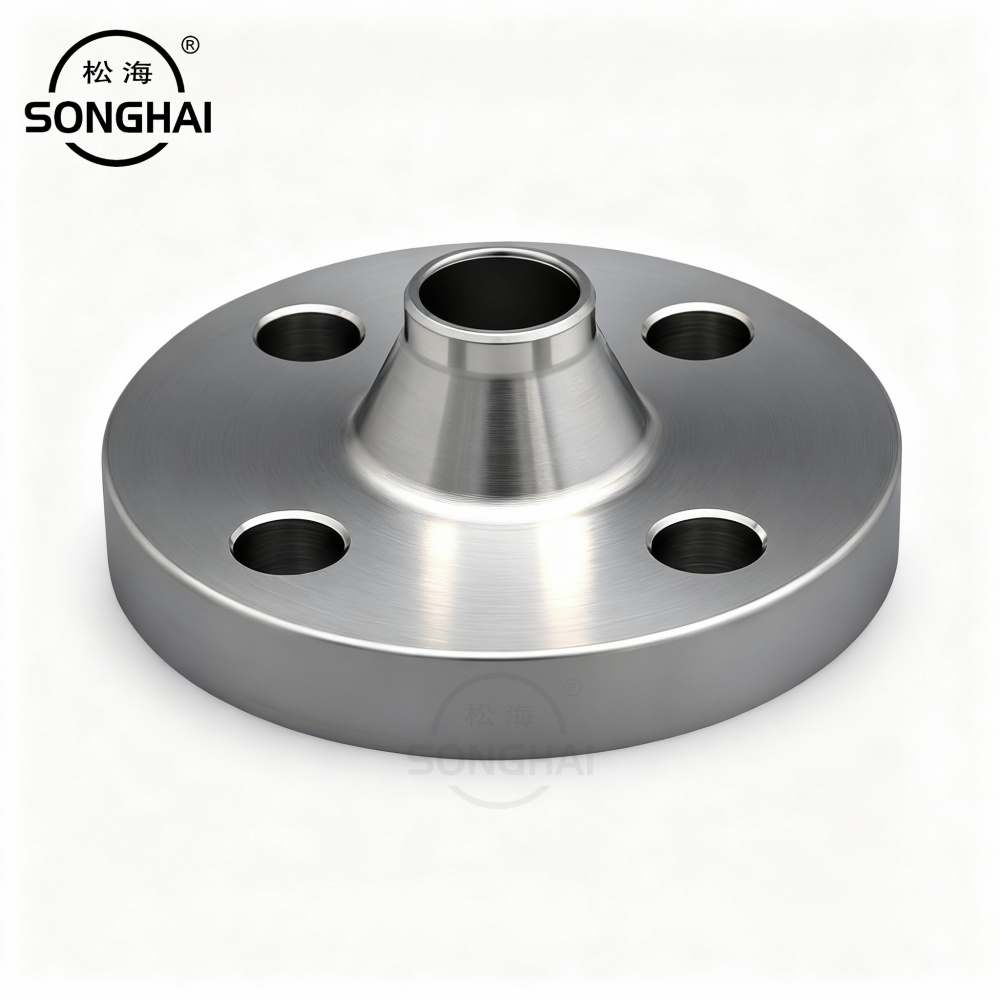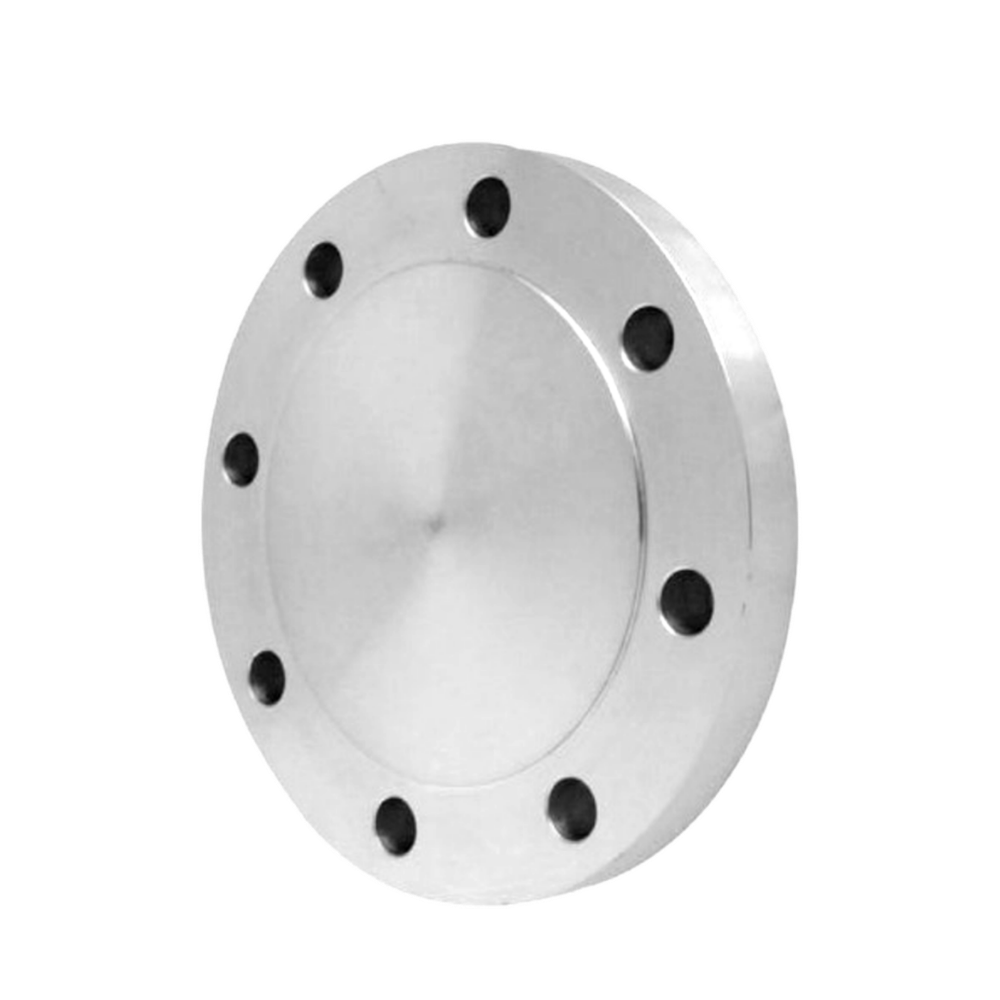
Blindflansche
Zertifizierungsstandards
GB/T9119-2010
HG/T20592-2009
HG/T20615-2009
DIN
ASME
BS
JIS
Material:
304:F304 S30408 S30408II S30408III S30400
304L:S30403 S30403II 30403 30403II
316L:31603 31603II 31603III
2507(F53)
2205(F51)
TP310S(06Cr5Ni20)
TP321(06Cr18Ni11)
S22053III=2205III
T321-32168=321
///Klasse 150///
| Nominale Größe | Größe der Verbindung | Flanschdicke | |||||
|---|---|---|---|---|---|---|---|
| DN | NPS | Flansch-Außendurchmesser D | Durchmesser des Zentralkreises K | Durchmesser des Bolzenlochs L | Anzahl der Schraubenlöcher n | Schraube Th | C |
| 15 | 1/2 | 90 | 60.3 | 16 | 4 | M14 | 9.6 |
| 20 | 3/4 | 100 | 69.9 | 16 | 4 | M14 | 11.2 |
| 25 | 1 | 110 | 79.4 | 16 | 4 | M14 | 12.7 |
| 32 | 1 1/4 | 115 | 88.9 | 16 | 4 | M14 | 14.3 |
| 40 | 1 1/2 | 125 | 98.4 | 16 | 4 | M14 | 15.9 |
| 50 | 2 | 150 | 120.7 | 18 | 4 | M16 | 17.5 |
| 65 | 2 1/2 | 180 | 139.7 | 18 | 4 | M16 | 20.7 |
| 80 | 3 | 190 | 152.4 | 18 | 4 | M16 | 22.3 |
| 100 | 4 | 230 | 190.5 | 18 | 8 | M16 | 22.3 |
| 125 | 5 | 255 | 215.9 | 22 | 8 | M20 | 22.3 |
| 150 | 6 | 280 | 241.3 | 22 | 8 | M20 | 23.9 |
| 200 | 8 | 345 | 298.58 | 22 | 8 | M20 | 27.0 |
| 250 | 10 | 405 | 362.0 | 26 | 12 | M24 | 28.6 |
| 300 | 12 | 485 | 431.8 | 26 | 12 | M24 | 30.2 |
| 350 | 14 | 535 | 476.3 | 30 | 12 | M27 | 33.4 |
| 400 | 16 | 595 | 539.8 | 30 | 16 | M27 | 35.0 |
| 450 | 18 | 635 | 577.9 | 33 | 16 | M30 | 38.1 |
| 500 | 20 | 700 | 635.0 | 33 | 20 | M30 | 41.3 |
| 600 | 24 | 815 | 749.3 | 36 | 20 | M33 | 46.1 |
///KLASSE 300///
| Nominale Größe | Größe der Verbindung | Flanschdicke | |||||
|---|---|---|---|---|---|---|---|
| DN | NPS | Flansch-Außendurchmesser D | Durchmesser des Zentralkreises K | Durchmesser des Bolzenlochs L | Anzahl der Schraubenlöcher n | Schraube Th | C |
| 15 | 1/2 | 95 | 66.7 | 16 | 4 | M14 | 12.7 |
| 20 | 3/4 | 115 | 82.6 | 18 | 4 | M16 | 14.3 |
| 25 | 1 | 125 | 88.9 | 18 | 4 | M16 | 15.9 |
| 32 | 1 1/4 | 135 | 98.4 | 18 | 4 | M16 | 17.5 |
| 40 | 1 1/2 | 155 | 114.3 | 22 | 4 | M20 | 19.1 |
| 50 | 2 | 165 | 127.0 | 18 | 8 | M16 | 20.7 |
| 65 | 2 1/2 | 190 | 149.2 | 22 | 8 | M20 | 23.9 |
| 80 | 3 | 210 | 168.3 | 22 | 8 | M20 | 27.0 |
| 100 | 4 | 255 | 200.0 | 22 | 8 | M20 | 30.2 |
| 125 | 5 | 280 | 235.0 | 22 | 8 | M20 | 33.4 |
| 150 | 6 | 320 | 269.9 | 22 | 12 | M20 | 35.0 |
| 200 | 8 | 380 | 330.2 | 26 | 12 | M24 | 39.7 |
| 250 | 10 | 445 | 387.4 | 30 | 16 | M27 | 46.1 |
| 300 | 12 | 520 | 450.8 | 33 | 16 | M30 | 49.3 |
| 350 | 14 | 585 | 514.4 | 33 | 20 | M30 | 52.4 |
| 400 | 16 | 650 | 571.5 | 36 | 20 | M33 | 55.6 |
| 450 | 18 | 710 | 628.6 | 36 | 24 | M33 | 58.8 |
| 500 | 20 | 775 | 685.8 | 36 | 24 | M33 | 62.0 |
| 600 | 24 | 915 | 812.8 | 42 | 24 | M39X3 | 68.3 |
///KLASSE 600////
| Nominale Größe | Größe der Verbindung | Flanschdicke | |||||
|---|---|---|---|---|---|---|---|
| DN | NPS | Flansch-Außendurchmesser D | Durchmesser des Zentralkreises K | Durchmesser des Bolzenlochs L | Anzahl der Schraubenlöcher n | Schraube Th | C |
| 15 | 1/2 | 95 | 66.7 | 16 | 4 | M14 | 14.3 |
| 20 | 3/4 | 115 | 82.6 | 18 | 4 | M16 | 15.9 |
| 25 | 1 | 125 | 88.9 | 18 | 4 | M16 | 17.5 |
| 32 | 1 1/4 | 135 | 98.4 | 18 | 4 | M16 | 20.7 |
| 40 | 1 1/2 | 155 | 114.3 | 22 | 4 | M20 | 22.3 |
| 50 | 2 | 165 | 127.0 | 18 | 8 | M16 | 25.4 |
| 65 | 2 1/2 | 190 | 149.2 | 22 | 8 | M20 | 28.6 |
| 80 | 3 | 210 | 168.3 | 22 | 8 | M20 | 31.8 |
| 100 | 4 | 275 | 215.9 | 26 | 8 | M24 | 38.1 |
| 125 | 5 | 330 | 266.7 | 30 | 8 | M27 | 44.5 |
| 150 | 6 | 355 | 292.1 | 30 | 12 | M27 | 47.7 |
| 200 | 8 | 420 | 349.2 | 33 | 12 | M30 | 55.6 |
| 250 | 10 | 510 | 431.8 | 36 | 16 | M33 | 63.5 |
| 300 | 12 | 560 | 489.0 | 36 | 20 | M33 | 66.7 |
| 350 | 14 | 605 | 527.0 | 39 | 20 | M36X3 | 69.9 |
| 400 | 16 | 685 | 603.2 | 42 | 20 | M39X3 | 76.2 |
| 450 | 18 | 745 | 654.0 | 45 | 20 | M42X3 | 82.6 |
| 500 | 20 | 815 | 723.9 | 45 | 24 | M42X3 | 88.9 |
| 600 | 24 | 940 | 838.2 | 51 | 24 | M48X3 | 101.6 |
///KLASSE 900///
| Nominale Größe | Größe der Verbindung | Flanschdicke | |||||
|---|---|---|---|---|---|---|---|
| DN | NPS | Flansch-Außendurchmesser D | Durchmesser des Zentralkreises K | Durchmesser des Bolzenlochs L | Anzahl der Schraubenlöcher n | Schraube Th | C |
| 15 | 1/2 | 120 | 82.6 | 22 | 4 | M20 | 22.3 |
| 20 | 3/4 | 130 | 88.9 | 22 | 4 | M20 | 25.4 |
| 25 | 1 | 150 | 101.6 | 26 | 4 | M24 | 28.6 |
| 32 | 1 1/4 | 160 | 111.1 | 26 | 4 | M24 | 28.6 |
| 40 | 1 1/2 | 180 | 123.8 | 30 | 4 | M27 | 31.8 |
| 50 | 2 | 215 | 165.1 | 26 | 8 | M24 | 38.1 |
| 65 | 2 1/2 | 245 | 190.5 | 30 | 8 | M27 | 41.3 |
| 80 | 3 | 240 | 190.5 | 26 | 8 | M24 | 38.1 |
| 100 | 4 | 290 | 235.0 | 33 | 8 | M30 | 44.5 |
| 125 | 5 | 350 | 279.4 | 36 | 8 | M33 | 50.8 |
| 150 | 6 | 380 | 317.5 | 33 | 12 | M30 | 55.6 |
| 200 | 8 | 470 | 393.7 | 39 | 12 | M36X3 | 63.5 |
| 250 | 10 | 545 | 469.9 | 39 | 16 | M36X3 | 69.9 |
| 300 | 12 | 610 | 533.4 | 39 | 20 | M36X3 | 79.4 |
| 350 | 14 | 640 | 558.8 | 42 | 20 | M39X3 | 85.8 |
| 400 | 16 | 705 | 616.0 | 45 | 20 | M42X3 | 88.9 |
| 450 | 18 | 785 | 685.8 | 51 | 20 | M48X3 | 101.6 |
| 500 | 20 | 855 | 749.3 | 55 | 20 | M52X3 | 108.0 |
| 600 | 24 | 1040 | 901.7 | 68 | 20 | M64X3 | 139.7 |
///KLASSE 1500///
| Nominale Größe | Größe der Verbindung | Flanschdicke | |||||
|---|---|---|---|---|---|---|---|
| DN | NPS | Flansch-Außendurchmesser D | Durchmesser des Zentralkreises K | Durchmesser des Bolzenlochs L | Anzahl der Schraubenlöcher n | Schraube Th | C |
| 15 | 1/2 | 120 | 82.6 | 22 | 4 | M20 | 22.3 |
| 20 | 3/4 | 130 | 88.9 | 22 | 4 | M20 | 25.4 |
| 25 | 1 | 150 | 101.6 | 26 | 4 | M24 | 28.6 |
| 32 | 1 1/4 | 160 | 111.1 | 26 | 4 | M24 | 28.6 |
| 40 | 1 1/2 | 180 | 123.8 | 30 | 4 | M27 | 31.8 |
| 50 | 2 | 215 | 165.1 | 26 | 8 | M24 | 38.1 |
| 65 | 2 1/2 | 245 | 190.5 | 30 | 8 | M27 | 41.3 |
| 80 | 3 | 265 | 203.2 | 33 | 8 | M30 | 47.7 |
| 100 | 4 | 310 | 241.3 | 36 | 8 | M33 | 54.0 |
| 125 | 5 | 375 | 292.1 | 42 | 8 | M39X3 | 73.1 |
| 150 | 6 | 395 | 317.5 | 39 | 12 | M36X3 | 82.6 |
| 200 | 8 | 485 | 393.7 | 45 | 12 | M42X3 | 92.1 |
| 250 | 10 | 585 | 482.6 | 51 | 12 | M48X3 | 108.0 |
| 300 | 12 | 675 | 571.5 | 55 | 16 | M52X3 | 123.9 |
| 350 | 14 | 750 | 635.0 | 60 | 16 | M56X3 | 133.4 |
| 400 | 16 | 825 | 704.8 | 68 | 16 | M64X3 | 146.1 |
| 450 | 18 | 915 | 774.7 | 74 | 16 | M70X3 | 162.0 |
| 500 | 20 | 985 | 831.8 | 80 | 16 | M76X3 | 177.8 |
| 600 | 24 | 1170 | 990.6 | 94 | 16 | M90X3 | 203.2 |
///KLASSE 2500///
| Nominale Größe | Größe der Verbindung | Flanschdicke | |||||
|---|---|---|---|---|---|---|---|
| DN | NPS | Flansch-Außendurchmesser D | Durchmesser des Zentralkreises K | Durchmesser des Bolzenlochs L | Anzahl der Schraubenlöcher n | Schraube Th | C |
| 15 | 1/2 | 135 | 88.9 | 22 | 4 | M20 | 30.2 |
| 20 | 3/4 | 140 | 95.2 | 22 | 4 | M20 | 31.8 |
| 25 | 1 | 160 | 108.0 | 26 | 4 | M24 | 35.0 |
| 32 | 1 1/4 | 185 | 130.2 | 30 | 4 | M27 | 38.1 |
| 40 | 1 1/2 | 205 | 146.0 | 33 | 4 | M30 | 44.5 |
| 50 | 2 | 235 | 171.4 | 30 | 8 | M27 | 50.9 |
| 65 | 2 1/2 | 265 | 196.8 | 33 | 8 | M30 | 57.2 |
| 80 | 3 | 305 | 228.6 | 36 | 8 | M33 | 66.7 |
| 100 | 4 | 355 | 273.0 | 42 | 8 | M39X3 | 76.2 |
| 125 | 5 | 420 | 323.8 | 48 | 8 | M45X3 | 92.1 |
| 150 | 6 | 485 | 368.3 | 55 | 8 | M52X3 | 108.0 |
| 200 | 8 | 550 | 438.2 | 55 | 12 | M52X3 | 127.0 |
| 250 | 10 | 675 | 539.8 | 68 | 12 | M64X3 | 165.1 |
| 300 | 12 | 760 | 619.1 | 74 | 12 | M70X3 | 184.2 |
Häufig gestellte Fragen (FAQs)
Was ist der Zweck eines Blindflansches?
Ein Blindflansch wird verwendet, um das Ende einer Rohrleitung, eines Ventils oder eines Druckbehälters abzudichten, um den Flüssigkeitsstrom effektiv zu blockieren und Lecks zu verhindern.
Können Blindflansche für Wartungszwecke verwendet werden?
Ja, Blindflansche können leicht abgeschraubt werden, um den Zugang für Wartungs-, Inspektions- oder Reinigungsarbeiten im Inneren des Endes des Rohrs oder Druckbehälters zu ermöglichen.
Warum werden Blindflansche im Vergleich zu anderen Flanschen zu einem höheren Preis verkauft?
Obwohl sie einfacher herzustellen sind, werden Blindflansche aufgrund ihrer hohen mechanischen Festigkeit und der besonderen Anforderungen an Verschraubungskräfte und Druckbeständigkeit zu einem höheren Preis verkauft.