Introduzione
The flange face type is one of the most critical design considerations in piping systems. Choosing the wrong face type can lead to leaks, premature gasket failure, and costly maintenance. This guide explains the main flange face types and their optimal applications.
Faccia rialzata (RF)
Characteristics
Raised Face flanges have a raised ring around the bore that concentrates gasket pressure for better sealing. The raised height varies by pressure class:
- Class 150 & 300: 1.6mm (1/16″) raised face
- Class 600 and above: 6.4mm (1/4″) raised face
Applicazioni
- Most common in oil & gas industry
- Suitable for temperatures from -20°C to 400°C
- Works with spiral wound, graphite, and non-asbestos gaskets
- Pressure ratings up to Class 2500
Faccia piana (FF)
Characteristics
Flat Face flanges have a completely flat sealing surface with no raised portion. The gasket covers the entire face.
Applicazioni
- Cast iron and brittle material flanges
- Low pressure applications (Class 125 & 250)
- Prevents bending stress on brittle materials
- Common in water treatment and HVAC systems
Giunto ad anello (RTJ)
Characteristics
RTJ flanges use a metal ring gasket that sits in a machined groove. When bolted, the ring deforms to create a metal-to-metal seal.
Applicazioni
- High-pressure systems (Class 600 to 2500)
- High-temperature applications up to 800°C
- Offshore platforms and subsea pipelines
- Refineries and petrochemical plants
Other Face Types
Maschio e femmina (T&G)
Provides excellent gasket alignment and compression. Used in pump housings and valve bonnets.
Maschio e femmina (M&F)
Self-aligning design with good gasket retention. Common in heat exchangers.
Selection Guide
| Application | Recommended Face Type |
|---|---|
| General oil & gas | Faccia rialzata (RF) |
| High pressure (>600#) | RTJ or RF |
| Cast iron piping | Faccia piana (FF) |
| Offshore/subsea | RTJ |
| Water systems | Faccia piana (FF) |
Conclusione
Understanding flange face types ensures proper sealing and system integrity. Always consult with your flange manufacturer to confirm the best choice for your specific application.
WhatsApp: +86-18658777855
E-mail: 1007788887@qq.com
✓ MTR con rapporti NDT ✓ Ispezione da parte di terzi benvenuta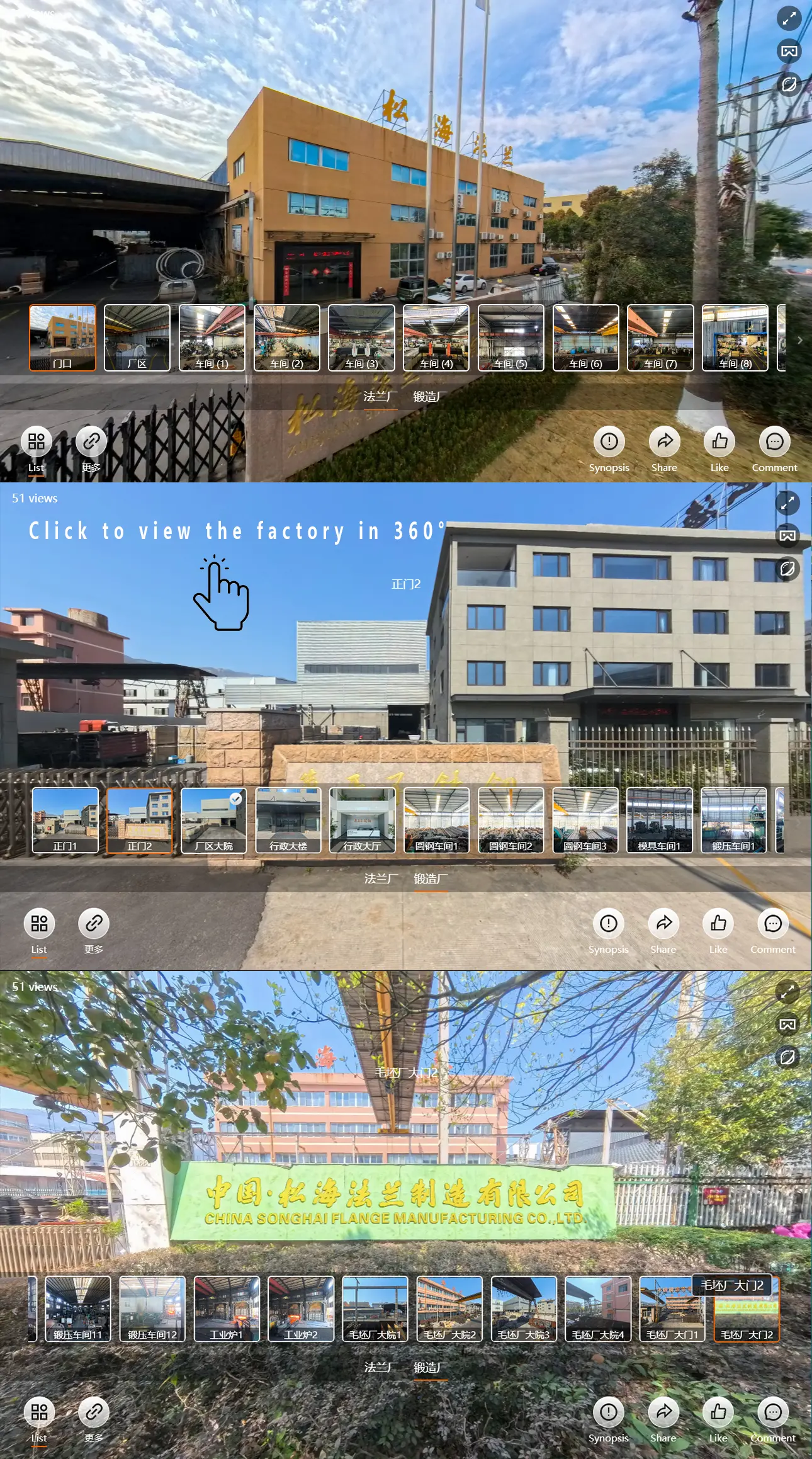
Ti potrebbe interessare anche
DIN Flanges vs ANSI Flange: ANSI Class 150, PN Rating and Selection Guide
A practical guide comparing DIN flanges and ANSI flange standards, including ANSI Class 150, PN meaning, flange rating ANSI systems, bolt patterns, dimensions and selection tips.
Flange Coupling Guide: Coupling Flange Type, Flanged Coupler and Shaft Applications
A practical guide to flange coupling, coupling flange type selection, flanged coupler structure, flange shaft coupling applications, installation and maintenance.
What Is an Orifice Flange? Orifice in Piping, Orifice Pipe and Flow Measurement Guide
A practical guide explaining what an orifice flange is, how an orifice in piping works, orifice pipe flow measurement, pressure taps, orifice plates and selection tips.