ਪਲੇਟ ਫਲੈਂਜ
ਪ੍ਰਮਾਣੀਕਰਨ ਮਿਆਰ
GB/T9119-2010、HG/T20592-2009、HG/T20615-2009、DIN、ASME、BS、JIS
304:F304 S30408 S30408II S30408III S30400
304L:S30403 S30403II 30403 30403II
316L: 31603 31603II 31603III
2507 (F53)
2205 (F51)
ਟੀਪੀ310ਐੱਸ (06ਕ੍ਰੋਮ5ਨਿਕਲ20)
ਟੀਪੀ321 (06ਕ੍ਰੋਮ18ਨਿਕਲ11)
S22053III=2205III
ਟੀ321-32168=321
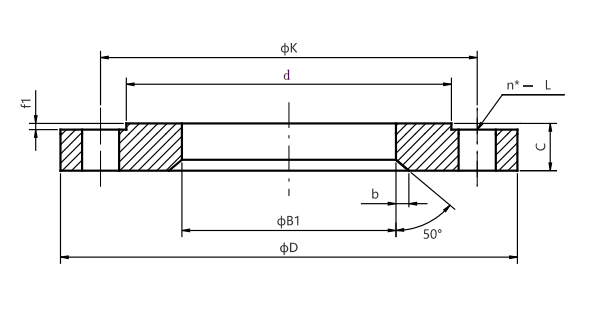
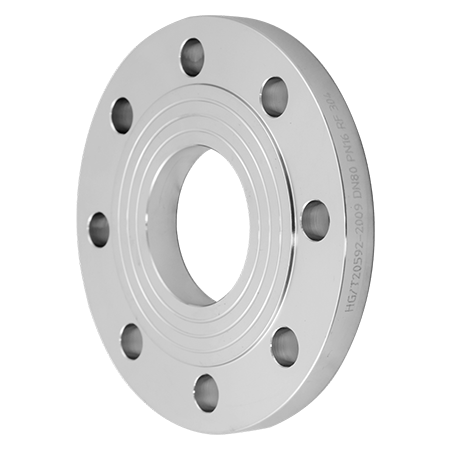
Plate flange is the most common flange, the pressure is PN2.5, PN6, PN10, PN16, PN25.
Welding form: flat welding flange is to insert the pipe into the flange to weld.please see the download section on the right.
- Versatility: suitable for industries and applications (Chemical, Construction, Water Supply, Shipbuilding)
- Compliance: adheres to multiple international standards (GB/T9119-2010, HG/T20592-2009, HG/T20615-2009, DIN, ASME, BS, and JIS)
- Durability: made from premium materials that resist corrosion and wear (304, 304L, 316L, 2507, 2205, TP310S, TP321)
- Affordability: competitive, discounted price for bulk order
- Pressure-Rated: Available in PN2.5, PN6, PN10, PN16, PN25
Frequently Asked Questions (FAQs)
What is a plate flange used for?
Plate flanges are commonly used to connect pipes, valves, and other equipment in low-pressure applications. They provide a flat, strong connection that can be easily assembled and disassembled, making them ideal for industries like water treatment, oil and gas, and HVAC systems.
What materials are your plate flanges made from?
Our plate flanges are typically made from (Duplex) stainless steel including 304, 304L, 316L, 2507, 2205, TP310S, TP321
How are plate flanges installed?
Plate flanges are installed by welding them to the end of a pipe, then bolting them to another flange or piece of equipment. The flat surface of the flange ensures a tight seal, and gaskets are often used to enhance the seal between flanges.