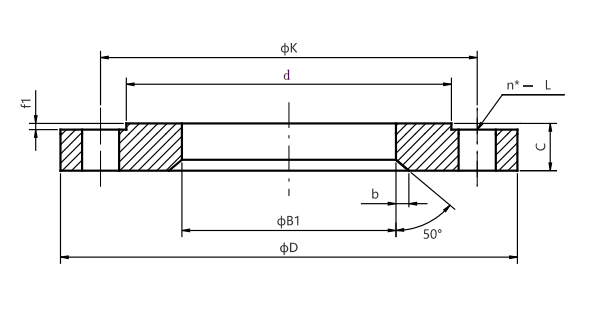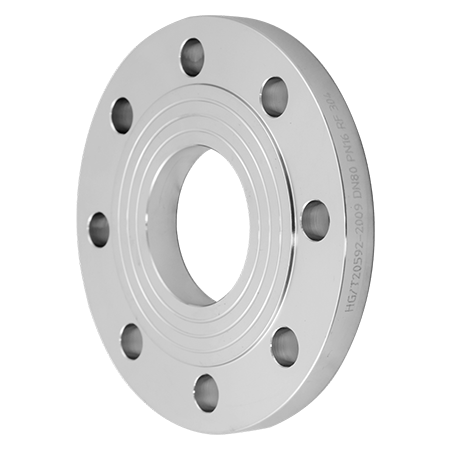
Các vành đai của tấm
Tiêu chuẩn chứng nhận
GB/T9119-2010、HG/T20592-2009、HG/T20615-2009、DIN、ASME、BS、JIS
304: F304 S30408 S30408II S30408III S30400
304L: S30403 S30403II 30403 30403II
316L: 31603, 31603II, 31603III
2507 (F53)
2205 (F51)
TP310S (06Cr5Ni20)
TP321 (06Cr18Ni11)
S22053III = 2205III
T321 - 32168 = 321
Flange đĩa là loại flange phổ biến nhất, áp suất là PN2.5, PN6, PN10, PN16, PN25.
Hình thức hàn: Hàn mặt phẳng là đưa ống vào mặt bích để hàn. Vui lòng xem phần tải xuống ở bên phải.
- Đa năng: Phù hợp cho các ngành công nghiệp và ứng dụng (Hóa chất, Xây dựng, Cấp nước, Đóng tàu)
- Tuân thủ: Tuân thủ nhiều tiêu chuẩn quốc tế (GB/T9119-2010, HG/T20592-2009, HG/T20615-2009, DIN, ASME, BS và JIS)
- Độ bền: Được làm từ các vật liệu cao cấp có khả năng chống ăn mòn và mài mòn (304, 304L, 316L, 2507, 2205, TP310S, TP321)
- Khả năng chi trả: Giá cạnh tranh, ưu đãi cho đơn hàng số lượng lớn
- Chịu áp suất: Có sẵn trong PN2.5, PN6, PN10, PN16, PN25
Câu hỏi thường gặp (FAQs)
Plate flange được sử dụng để làm gì?
Các flange tấm thường được sử dụng để kết nối ống, van và các thiết bị khác trong các ứng dụng áp suất thấp. Chúng cung cấp một kết nối phẳng, chắc chắn có thể lắp ráp và tháo rời dễ dàng, khiến chúng trở thành lựa chọn lý tưởng cho các ngành công nghiệp như xử lý nước, dầu khí và hệ thống HVAC.
Các tấm flange của quý công ty được làm từ vật liệu gì?
Các đĩa flange của chúng tôi thường được chế tạo từ thép không gỉ Duplex, bao gồm các loại 304, 304L, 316L, 2507, 2205, TP310S, TP321.
Cách lắp đặt các flange của tấm là như thế nào?
Các mặt bích được lắp đặt bằng cách hàn chúng vào đầu ống, sau đó bắt vít chúng vào một mặt bích khác hoặc thiết bị khác. Bề mặt phẳng của mặt bích đảm bảo độ kín khít, và thường sử dụng gioăng để tăng cường độ kín khít giữa các mặt bích.