Slip On vs Weld Neck Flange Complete Comparison
Choosing between slip on and weld neck flanges depends on pressure requirements, budget constraints, and application specifics. This guide helps you make the right selection for your industrial pipeline.
Structural Differences
Slip On Flange Design
- Flat hub with slightly larger bore than pipe OD
- Slides over pipe end for fillet welding
- Saldato sia all'interno che all'esterno
- Simpler manufacturing process
Weld Neck Flange Design
- Long tapered hub for butt welding
- Gradual stress transition from flange to pipe
- Full penetration weld for maximum strength
- More complex forging and machining
Performance Comparison
| Factor | Slip On | Weld Neck |
|---|---|---|
| Costo iniziale | 30-40% lower | Higher |
| Installation Cost | Lower (easier alignment) | Higher (welding skill) |
| Pressure Rating | Medium (Class 150-600) | High (Class 150-2500) |
| Fatigue Strength | Moderato | Excellent |
| Intervallo di temperatura | -20 to 400°C | -200 to 800°C |
| Cyclic Loading | Not recommended | Excellent |
High Pressure Alloy Steel Flanges
For extreme pressure and temperature applications, alloy steel flanges provide superior performance.
Common Alloy Materials
- ASTM A182 F11: 1.25% Chrome, 0.5% Moly
- ASTM A182 F22: 2.25% Chrome, 1% Moly
- ASTM A182 F91: 9% Chrome, 1% Moly, V, Nb
- ASTM A335 P5: 5% Chrome, 0.5% Moly
Applicazioni
- Power generation steam lines
- Petrochemical refineries
- High-pressure boilers
- Superheater and reheater piping
- Hydrogen service
Classi di pressione
- Class 600: Up to 110 bar
- Classe 900: fino a 165 bar
- Classe 1500: fino a 276 bar
- Classe 2500: fino a 460 bar
Flange Fitting for Water Treatment Plants
Water treatment facilities have specific flange requirements:
Selezione del materiale
- Acciaio al carbonio (A105): Raw water, treated water
- Stainless 304: Clean water, food grade
- Stainless 316: Chlorinated water, seawater
- Duplex 2205: Aggressive chemicals
Common Sizes
- Small bore: DN15-DN50 (instrumentation)
- Linee di processo: DN80-DN300
- Main headers: DN350-DN600
- Large diameter: DN700+ (outfall)
Flangia con servizio di perforazione per petrolio e gas
Custom drilling patterns ensure compatibility with existing infrastructure:
Standard Drilling Patterns
- ASME B16.5: US standard
- EN 1092-1: European standard
- JIS B2220: Japanese standard
- GB/T: Chinese standard
Custom Drilling Services
- Non-standard bolt circles
- Oversized bolt holes
- Additional tapping
- Counterboring
- Special gasket grooves
Threaded Flange for Small Bore Pipe
Threaded flanges offer weld-free connection for small diameter piping:
Vantaggi
- Non è necessaria la saldatura
- Installazione rapida
- Easy maintenance access
- Suitable for hazardous areas
Limitations
- Limited to NPS 4 and below
- Lower pressure rating
- Thread corrosion risk
- Not for thermal cycling
Thread Standards
- NPT (ANSI B1.20.1): North American
- BSP (ISO 228): European/Asian
- PT (JIS B0203): Japanese
Flange Repair and Machining Service
When flanges are damaged or require modification:
Repair Services
- Face resurfacing
- Bore machining
- Bolt hole repair
- Weld overlay
- Trattamento termico
Quality Verification
- Ispezione dimensionale
- Test di durezza
- Surface finish measurement
- Pressure testing
Linee guida per la selezione
Choose Slip On When:
- Budget is primary concern
- Low to medium pressure (Class 150-300)
- Applicazioni non critiche
- Easy maintenance access needed
Choose Weld Neck When:
- High pressure or temperature
- Cyclic loading conditions
- Critical process lines
- Long-term reliability required
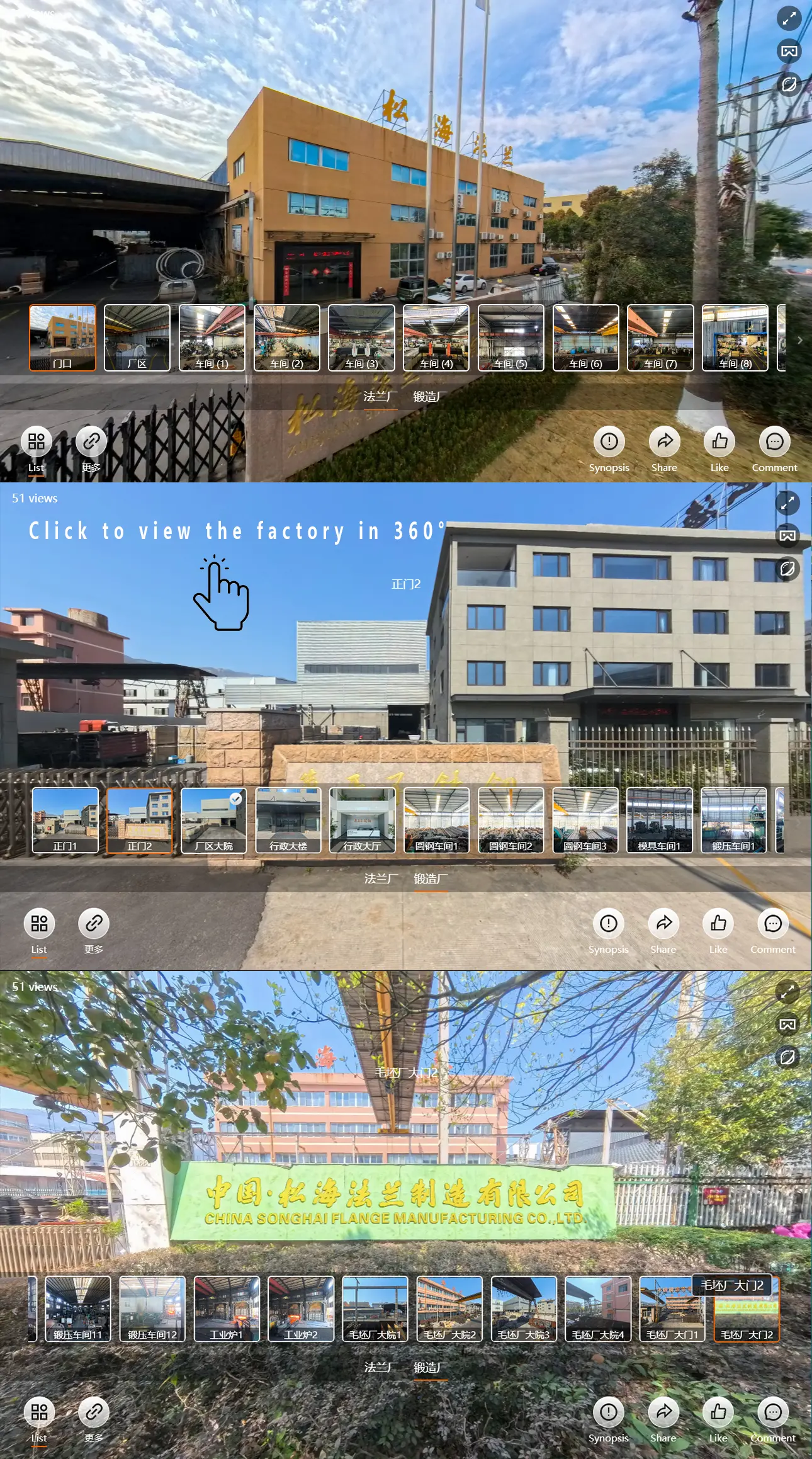
Songhai Flange supplies slip on, weld neck, and threaded flanges in carbon steel, stainless steel, and alloy materials. We offer custom drilling, machining, and repair services for oil and gas, water treatment, and industrial applications.
WhatsApp: +86-18658777855
E-mail: 1007788887@qq.com
Ti potrebbe interessare anche
DIN Flanges vs ANSI Flange: ANSI Class 150, PN Rating and Selection Guide
A practical guide comparing DIN flanges and ANSI flange standards, including ANSI Class 150, PN meaning, flange rating ANSI systems, bolt patterns, dimensions and selection tips.
Flange Coupling Guide: Coupling Flange Type, Flanged Coupler and Shaft Applications
A practical guide to flange coupling, coupling flange type selection, flanged coupler structure, flange shaft coupling applications, installation and maintenance.
What Is an Orifice Flange? Orifice in Piping, Orifice Pipe and Flow Measurement Guide
A practical guide explaining what an orifice flange is, how an orifice in piping works, orifice pipe flow measurement, pressure taps, orifice plates and selection tips.