Введение
Quality control is paramount in flange manufacturing. Defective flanges can cause catastrophic failures in piping systems, leading to safety hazards, environmental damage, and significant financial losses. This article outlines the essential testing procedures that ensure flange quality.
Material Verification
Chemical Composition Analysis
Spectrometry testing verifies that the raw material meets specified grade requirements (304, 316, 317L, etc.). Key elements checked include:
- Chromium (Cr): 16-20% for austenitic stainless steel
- Nickel (Ni): 8-14% for corrosion resistance
- Molybdenum (Mo): 2-3% for 316 grade
- Carbon (C): ≤0.08% standard, ≤0.03% for L grades
Mechanical Properties Testing
Tensile testing determines:
- Yield strength (minimum 205 MPa for 304)
- Tensile strength (minimum 515 MPa for 304)
- Elongation (minimum 40%)
- Hardness (maximum 217 HB)
Контроль размеров
Critical Measurements
Every flange undergoes comprehensive dimensional checks:
- Outside diameter (OD) tolerance: ±1.5mm
- Bolt circle diameter: ±0.8mm
- Flange thickness: ±1.5mm
- Bore diameter: ±0.8mm
- Bolt hole diameter and spacing
- Face flatness and surface finish (Ra 3.2-6.3μm for RF)
Неразрушающий контроль (NDT)
Испытание жидким пенетрантом (PT)
Detects surface defects including:
- Cracks and seams
- Porosity and inclusions
- Laps and cold shuts
All machined surfaces and weld areas undergo PT inspection per ASME Section V.
Испытание магнитными частицами (MT)
For ferritic and martensitic materials, MT reveals near-surface defects not visible to the naked eye.
Ультразвуковой контроль (UT)
Detects internal flaws in forged flanges, particularly important for high-pressure applications.
Pressure Testing
Hydrostatic Testing
Sample flanges from each batch undergo pressure testing at 1.5 times the rated pressure to verify structural integrity.
Documentation and Traceability
Material Test Certificate (MTC)
EN 10204 3.1 certificates include:
- Heat number and batch identification
- Complete chemical analysis
- Mechanical test results
- NDT reports
- Dimensional inspection records
- Third-party inspection stamps (if applicable)
Industry Certifications
Reputable manufacturers maintain:
- ISO 9001:2015 Управление качеством
- PED 2014/68/EU for European market
- ASME certification for pressure equipment
- CE marking compliance
Заключение
Rigorous quality control at every manufacturing stage ensures flanges perform reliably in demanding applications. Always request complete documentation and verify your supplier’s quality certifications before purchasing.
WhatsApp: +86-18658777855
Электронная почта: 1007788887@qq.com
✓ MTR с отчетами NDT ✓ Приветствуется инспекция третьей стороной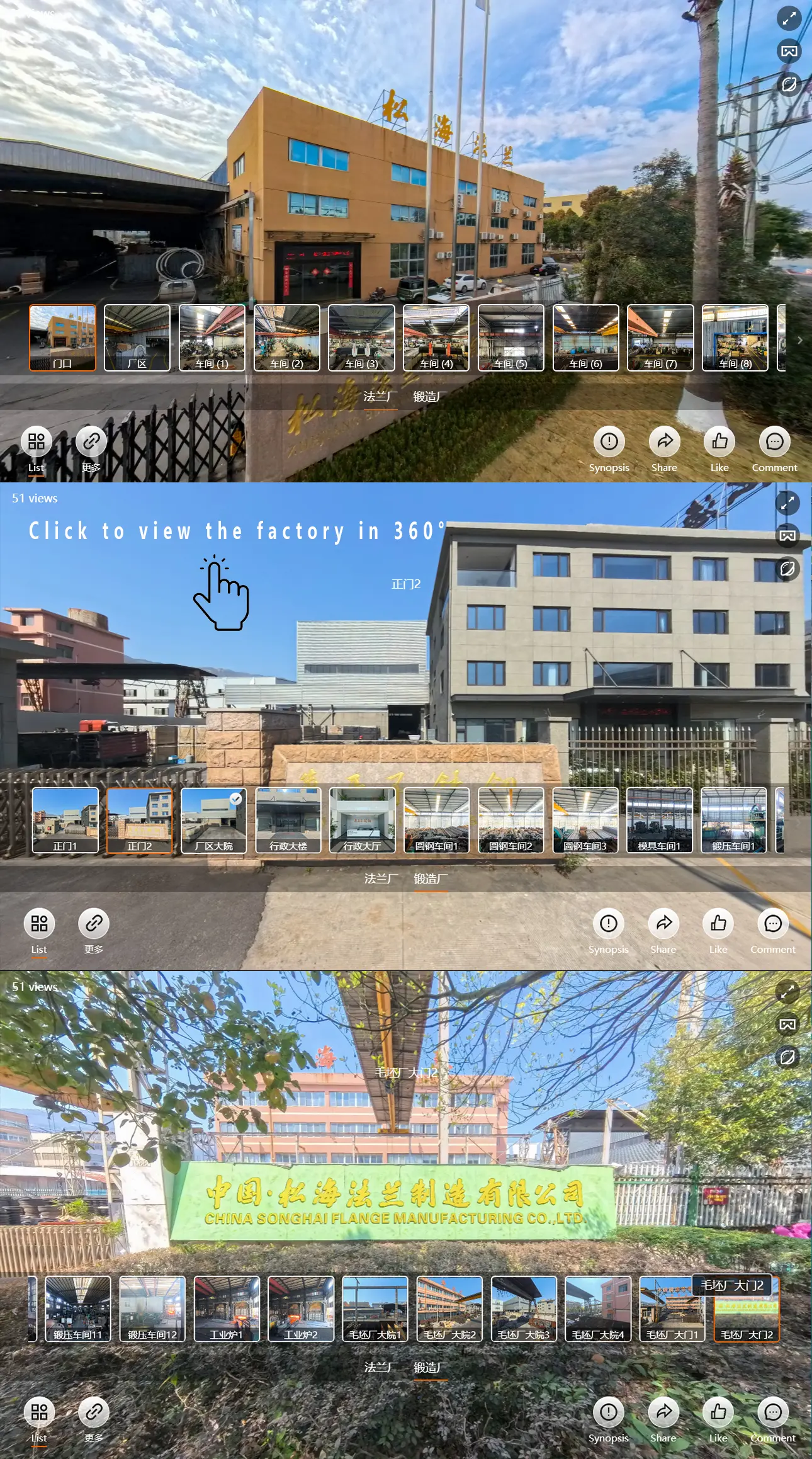
Вам также может понравиться
DIN Flanges vs ANSI Flange: ANSI Class 150, PN Rating and Selection Guide
A practical guide comparing DIN flanges and ANSI flange standards, including ANSI Class 150, PN meaning, flange rating ANSI systems, bolt patterns, dimensions and selection tips.
Flange Coupling Guide: Coupling Flange Type, Flanged Coupler and Shaft Applications
A practical guide to flange coupling, coupling flange type selection, flanged coupler structure, flange shaft coupling applications, installation and maintenance.
What Is an Orifice Flange? Orifice in Piping, Orifice Pipe and Flow Measurement Guide
A practical guide explaining what an orifice flange is, how an orifice in piping works, orifice pipe flow measurement, pressure taps, orifice plates and selection tips.