Giới thiệu
Kiểm soát chất lượng là yếu tố then chốt trong sản xuất mặt bích. Các mặt bích bị lỗi có thể gây ra sự cố nghiêm trọng trong hệ thống đường ống, dẫn đến các nguy cơ về an toàn, tác động tiêu cực đến môi trường và tổn thất tài chính đáng kể. Bài viết này trình bày các quy trình kiểm tra thiết yếu nhằm đảm bảo chất lượng mặt bích.
Kiểm tra vật liệu
Phân tích thành phần hóa học
Thử nghiệm quang phổ giúp xác nhận rằng nguyên liệu thô đáp ứng các yêu cầu về cấp độ quy định (304, 316, 317L, v.v.). Các nguyên tố chính được kiểm tra bao gồm:
- Crom (Cr): 16–20% đối với thép không gỉ austenit
- Niken (Ni): 8–14% để chống ăn mòn
- Molypden (Mo): 2-3% cho loại thép 316
- Cacbon (C): ≤0,081 theo tiêu chuẩn TP3T, ≤0,031 theo tiêu chuẩn TP3T đối với các loại thép L
Thử nghiệm các tính chất cơ học
Thử nghiệm độ bền kéo xác định:
- Giới hạn chảy (tối thiểu 205 MPa đối với loại 304)
- Độ bền kéo (tối thiểu 515 MPa đối với loại 304)
- Độ giãn dài (tối thiểu 40%)
- Độ cứng (tối đa 217 HB)
Kiểm tra kích thước
Các chỉ số quan trọng
Mỗi mặt bích đều được kiểm tra kích thước một cách toàn diện:
- Dung sai đường kính ngoài (OD): ±1,5 mm
- Đường kính vòng tròn lỗ bulông: ±0,8 mm
- Độ dày mặt bích: ±1,5 mm
- Đường kính lỗ: ±0,8 mm
- Đường kính và khoảng cách giữa các lỗ bắt vít
- Độ phẳng bề mặt và độ nhám bề mặt (Ra 3,2–6,3 μm đối với RF)
Kiểm tra không phá hủy (NDT)
Phương pháp kiểm tra bằng chất thấm lỏng (PT)
Phát hiện các khuyết tật bề mặt, bao gồm:
- Vết nứt và đường nối
- Độ xốp và tạp chất
- Vòng chạy và hiện tượng đóng băng
Tất cả các bề mặt gia công và khu vực hàn đều được kiểm tra bằng phương pháp thẩm thấu (PT) theo Tiêu chuẩn ASME Phần V.
Kiểm tra bằng hạt từ (MT)
Đối với các vật liệu ferit và martensit, phương pháp MT giúp phát hiện các khuyết tật gần bề mặt mà mắt thường không thể nhìn thấy.
Kiểm tra bằng sóng siêu âm (UT)
Phát hiện các khuyết tật bên trong của mặt bích rèn, điều này đặc biệt quan trọng đối với các ứng dụng áp suất cao.
Thử nghiệm áp suất
Thử nghiệm thủy tĩnh
Các mặt bích mẫu từ mỗi lô được đưa vào thử nghiệm áp suất ở mức gấp 1,5 lần áp suất định mức để kiểm tra tính toàn vẹn cấu trúc.
Tài liệu và khả năng truy xuất nguồn gốc
Giấy chứng nhận thử nghiệm vật liệu (MTC)
Giấy chứng nhận EN 10204 3.1 bao gồm:
- Số lô và mã lô
- Phân tích hóa học toàn diện
- Kết quả thử nghiệm cơ học
- Báo cáo kiểm tra không phá hủy
- Biên bản kiểm tra kích thước
- Dấu kiểm tra của bên thứ ba (nếu có)
Chứng chỉ ngành
Các nhà sản xuất uy tín khẳng định:
- Hệ thống Quản lý Chất lượng ISO 9001:2015
- PED 2014/68/EU dành cho thị trường châu Âu
- Chứng nhận ASME cho thiết bị chịu áp lực
- Tuân thủ dấu CE
Kết luận
Việc kiểm soát chất lượng nghiêm ngặt ở mọi giai đoạn sản xuất đảm bảo các mặt bích hoạt động ổn định trong các ứng dụng đòi hỏi khắt khe. Hãy luôn yêu cầu cung cấp đầy đủ tài liệu và kiểm tra các chứng nhận chất lượng của nhà cung cấp trước khi mua hàng.
WhatsApp: +86-18658777855
Email: 1007788887@qq.com
✓ Kiểm tra MTR kèm theo báo cáo kiểm tra không phá hủy (NDT) ✓ Chào đón các đơn vị kiểm tra độc lập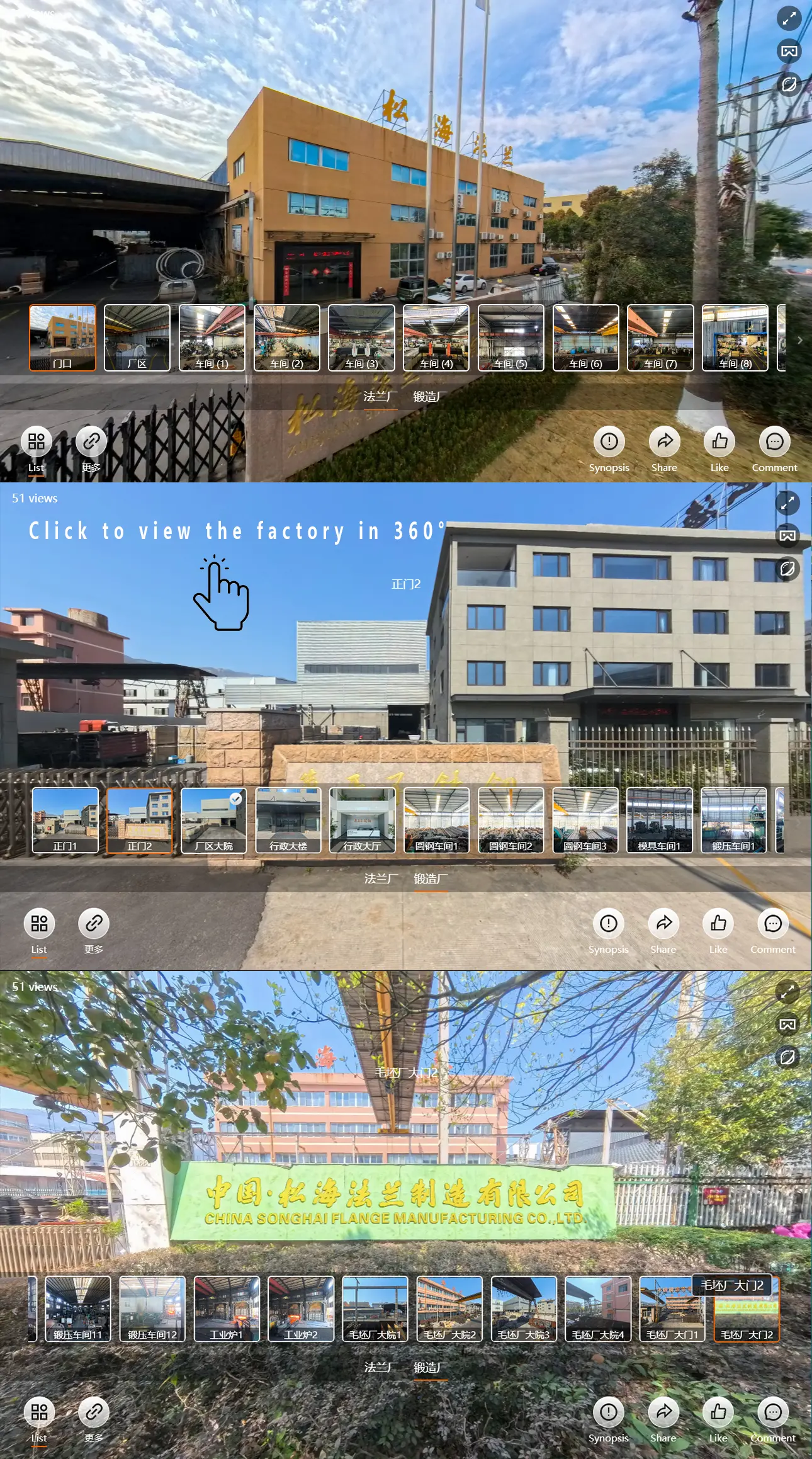
Bạn cũng có thể thích
DIN Flanges vs ANSI Flange: ANSI Class 150, PN Rating and Selection Guide
A practical guide comparing DIN flanges and ANSI flange standards, including ANSI Class 150, PN meaning, flange rating ANSI systems, bolt patterns, dimensions and selection tips.
Flange Coupling Guide: Coupling Flange Type, Flanged Coupler and Shaft Applications
A practical guide to flange coupling, coupling flange type selection, flanged coupler structure, flange shaft coupling applications, installation and maintenance.
What Is an Orifice Flange? Orifice in Piping, Orifice Pipe and Flow Measurement Guide
A practical guide explaining what an orifice flange is, how an orifice in piping works, orifice pipe flow measurement, pressure taps, orifice plates and selection tips.