Mặt bích lỗ là gì và chúng hoạt động như thế nào
Mặt bích lỗ đo là các bộ phận ống dẫn chuyên dụng được thiết kế để đo lưu lượng chính xác trong các hệ thống có áp suất. Khác với mặt bích cổ hàn tiêu chuẩn, mặt bích lỗ đo có các lỗ ren (lỗ đo áp suất) được khoan theo hướng xuyên tâm qua đế, cho phép đo chính xác chênh lệch áp suất qua tấm lỗ đo.
Tại Songhai Flange, chúng tôi hiểu rằng việc đo lường lưu lượng chính xác là yếu tố then chốt đối với giao dịch thương mại, điều khiển quá trình sản xuất và tuân thủ các quy định pháp lý.
Cơ sở khoa học của phương pháp đo lưu lượng qua lỗ
Khi chất lỏng đi qua lỗ khoan có kích thước chính xác trên tấm lỗ, nó sẽ tạo ra sự chênh lệch áp suất giữa phía thượng lưu và hạ lưu. Điều này cho phép các thiết bị đo lường tính toán lưu lượng chính xác dựa trên định luật Bernoulli.
Độ chính xác phụ thuộc vào:
- Vị trí khoan ren mặt bích phù hợp (ren mặt bích, ren góc hoặc ren D và D/2)
- Điều chỉnh đường kính lỗ của tấm van và hệ số beta (thường từ 0,3 đến 0,7)
- Tuân thủ các tiêu chuẩn ASME B16.36 và API 2530
- Hướng lắp đặt phù hợp tùy theo loại chất lỏng
Các loại và cấu hình mặt bích lỗ
Bộ đôi mặt bích có lỗ tiết lưu hàn cổ
Cấu hình phổ biến nhất cho các ứng dụng quan trọng sử dụng vít nâng để bảo trì mà không cần cắt đường ống.
Loại xỏ chân và loại vặn ren
Đối với các ứng dụng công nghiệp áp suất thấp (Loại 150 và 300), đây là những giải pháp thay thế tiết kiệm chi phí và yêu cầu diện tích lắp đặt nhỏ hơn.
Lựa chọn vật liệu
- Thép cacbon (A105): Dầu mỏ, khí đốt, hóa dầu, từ -20°F đến 800°F
- Thép không gỉ (F304/F316): Môi trường ăn mòn, ứng dụng hàng hải
- Nhiệt độ thấp (A350 LF2): LNG, các ứng dụng nhiệt độ cực thấp
- Chrome-Moly (F11/F22/F91): Sản xuất điện ở nhiệt độ cao
Tiêu chuẩn ASME B16.36
| Thông số kỹ thuật | Chi tiết |
|---|---|
| Phạm vi kích thước | Từ 1 inch đến 24 inch |
| Các cấp độ áp suất | 300, 400, 600, 900, 1500, 2500 |
| Vật liệu | A105, F304/F304L, F316/F316L, A350 LF2 |
| Tiêu chuẩn dòng chảy | API 2530 / ISO 5167 |
Tại sao nên chọn Songhai Flange
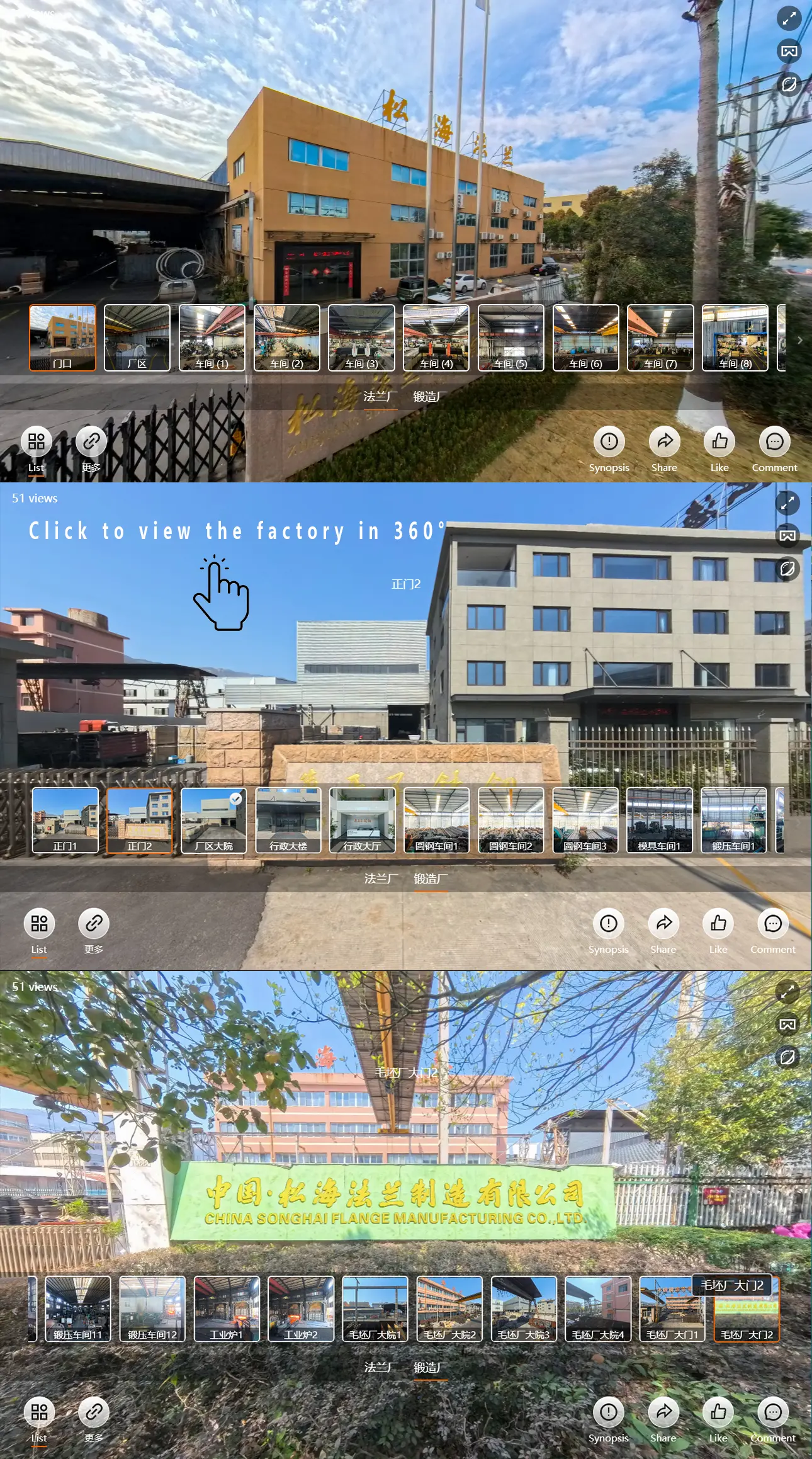
Songhai Flange sản xuất mặt bích có lỗ theo tiêu chuẩn ASME B16.36 với khả năng truy xuất nguồn gốc vật liệu đầy đủ. Hãy liên hệ với chúng tôi để nhận báo giá cạnh tranh và hỗ trợ kỹ thuật.
WhatsApp: +86-18658777855
Email: 1007788887@qq.com
Bạn cũng có thể thích
DIN Flanges vs ANSI Flange: ANSI Class 150, PN Rating and Selection Guide
A practical guide comparing DIN flanges and ANSI flange standards, including ANSI Class 150, PN meaning, flange rating ANSI systems, bolt patterns, dimensions and selection tips.
Flange Coupling Guide: Coupling Flange Type, Flanged Coupler and Shaft Applications
A practical guide to flange coupling, coupling flange type selection, flanged coupler structure, flange shaft coupling applications, installation and maintenance.
What Is an Orifice Flange? Orifice in Piping, Orifice Pipe and Flow Measurement Guide
A practical guide explaining what an orifice flange is, how an orifice in piping works, orifice pipe flow measurement, pressure taps, orifice plates and selection tips.